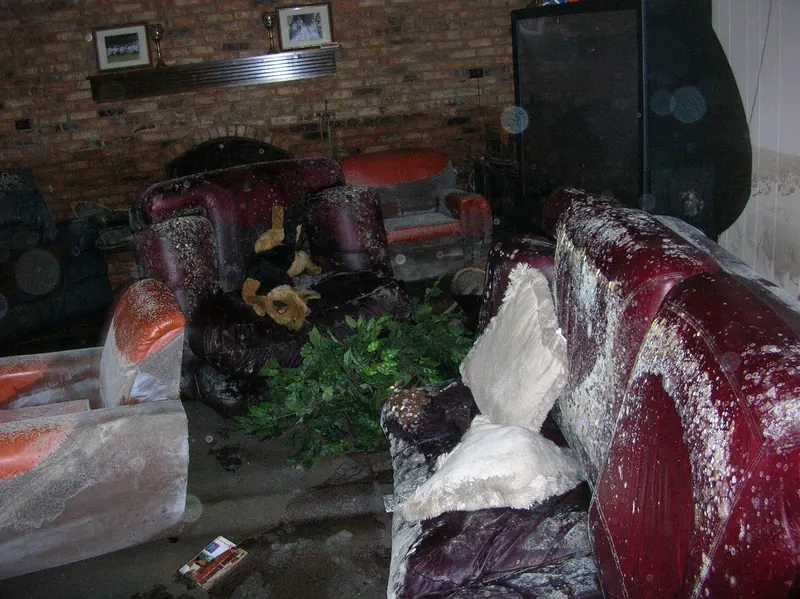
Water Damage Mold Cleanup
Water damage mold cleanup includes clearing growth caused by a flood or leak and drying the affected structure against a return.
See water damage mold cleanupGet plumbing leak mold assessed in Chinatown. The scope should cover repair, containment, HEPA cleaning, structural drying and final checks.
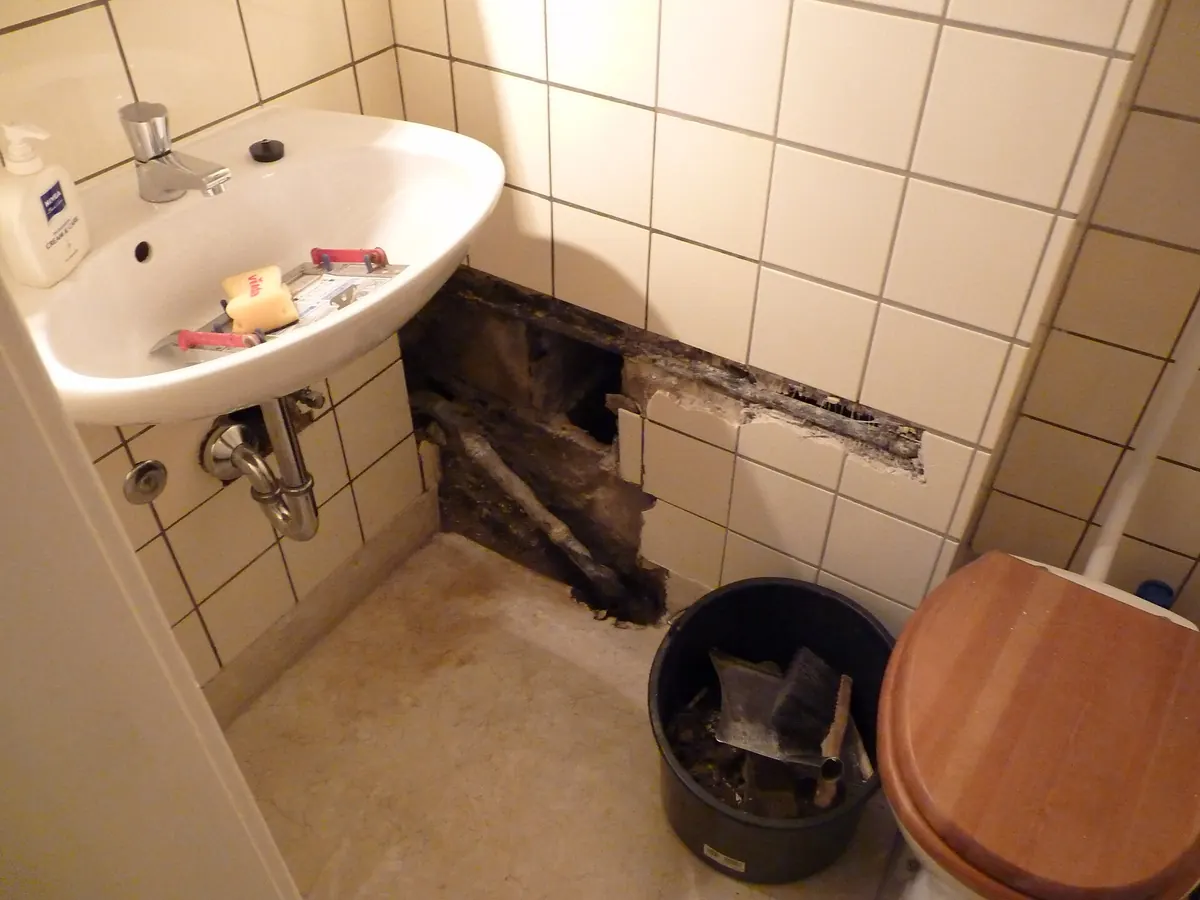
Cleanup includes leak repair, controlled removal, surface cleaning and drying.
Behind-wall materials with water damage may get wet when a pipe bursts or a supply, drain or water heater line leaks.
First, the pipe must be repaired to stop incoming water. The scope of work in writing should list dehumidification, containment, drywall removal and post-remediation verification.
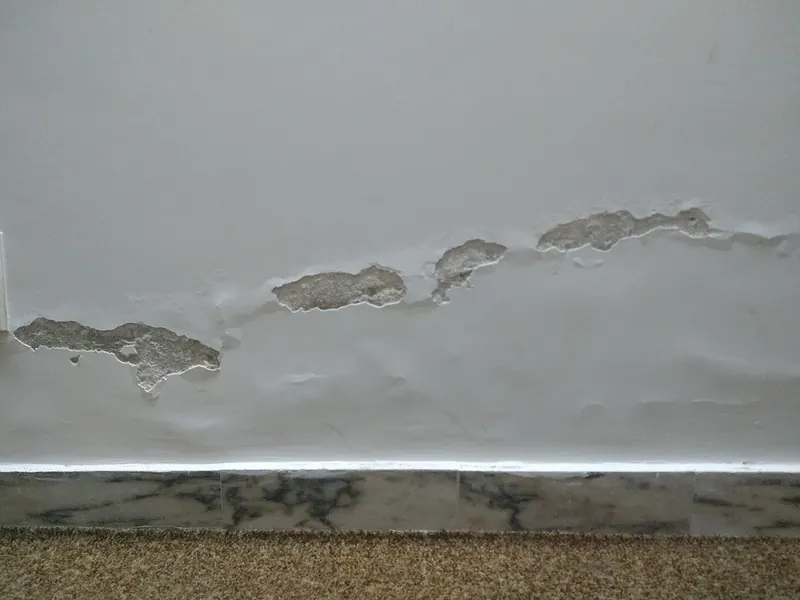
Find out how repairs address the source and how moisture readings verify the area.
Learn how debris exits the work zone and where containment barriers are placed.
Check the scope for drying goals, HEPA cleaning, removal boundaries and responsibility for plumbing.
Have a separate assessor conduct testing instead of relying on the removal company.
Odor can be a clue to unseen growth.
A surface can feel dry while the pad or subfloor stays wet.
A fixture, pipe or drain can wet a ceiling. Find the source before opening the area.
Dark growth under the sink can follow a drain drip. Color does not show risk.
Damage from a frozen pipe or rupture may extend across multiple rooms. Dry wet materials promptly.
Do not disturb affected materials until the water is stopped.
Call (844) 352-3560Fixr lists combined water and mold damage at $2,700 to $10,000 for the work. The $150 to $350 range applies only to repairing a small leak and excludes mold removal. Materials and plumbing repair affect cost.
The figures are published national cost guide ranges, not results of a property visit. Following an on-site assessment, the property price should be explained to you before any work begins.
Ask about cost: (844) 352-3560Coverage depends on the policy. Policies may set mold coverage limits and distinguish seepage from sudden and accidental damage.
Under California's housing law, visible mold found by a health officer or code enforcement officer can make a rental substandard. Renters can contact their local health or code enforcement department to ask for an inspection. Save your photos after reporting the water leak. Payment depends on the lease, cause and policy.
Check whether the insurance claim treats removal, drying and reconstruction as separate items.
California's Toxic Mold Protection Act includes a landlord written-disclosure section (Health and Safety Code 26147). By its own wording it applies only after the state adopts mold exposure standards, and the state health department has said it could not set them. Keep the plumbing invoice, remediation scope, readings, photos and clearance report.
Keep photos, moisture readings, invoices and the repair record for the adjuster.
Control the source first, then verify the work.
A moisture meter locates wet materials. You cannot confirm mold through a thermal imaging camera.
Dust movement is limited when an air filtration device supports poly sheeting under negative air pressure.
When cleaning and drying are not possible, take out carpet, insulation, wet drywall, ceiling tile and similar material.
Apply damp wiping to non-porous surfaces after using a HEPA vacuum on sound framing.
The drying process uses air movers and dehumidifiers while moisture readings track progress.
Check cleanliness, leak repair and dry materials. Clearance testing should be done by an independent assessor.

Call whenever you need. A mold after a plumbing leak or burst pipe specialist answers, talks through what you are seeing and explains the next steps.
Extensive mold, affected HVAC systems or contaminated water call for professional help.
Exposure to mold can trigger symptoms of allergies and asthma. People with weak immune systems, asthma or lung disease face more risk.
A HEPA air scrubber works with poly sheeting and negative air pressure to contain dust.
Wet insulation and additional affected materials can be located with a moisture meter.
Can you clean it yourself? EPA says an area under about 10 square feet can often be cleaned after fixing the water problem.
Washable surfaces may be cleaned. Remove porous materials that are damaged.

Timing depends on access, drying and final checks. Hidden moisture can extend the work.
An odor that smells musty can signal damp material beneath flooring, within a cabinet or behind finishes.
Maintain relative humidity indoors at less than 60 percent, or ideally 30 to 50 percent. Using a dehumidifier does not solve an active leak.

The full mold after a plumbing leak or burst pipe guide covers what is cleaned or removed, odor and air quality work, and the rules that apply in California and Los Angeles County.
Read the full mold after a plumbing leak or burst pipe guidePlanning for moisture control, containment and mold cleanup can be influenced by local humidity, housing and property access.
For a home in the Chinatown neighborhood, a musty odor or stain should be traced through connected materials before the visible surface is cleaned.
Dry water-damaged areas and items within 24 to 48 hours to prevent mold growth, and remove porous material when it cannot be fully cleaned and dried.
Your call can include questions about mold cleanup availability in close-by communities and ZIP codes.
Water damage mold cleanup includes clearing growth caused by a flood or leak and drying the affected structure against a return.
See water damage mold cleanup
When you cannot see growth within walls, under flooring or beyond a ceiling, hidden mold remediation finds and removes it.
See hidden mold remediation (behind walls)
For drywall mold removal, damaged wallboard is replaced after the framing behind the surface has been cleaned.
See wall and drywall mold removal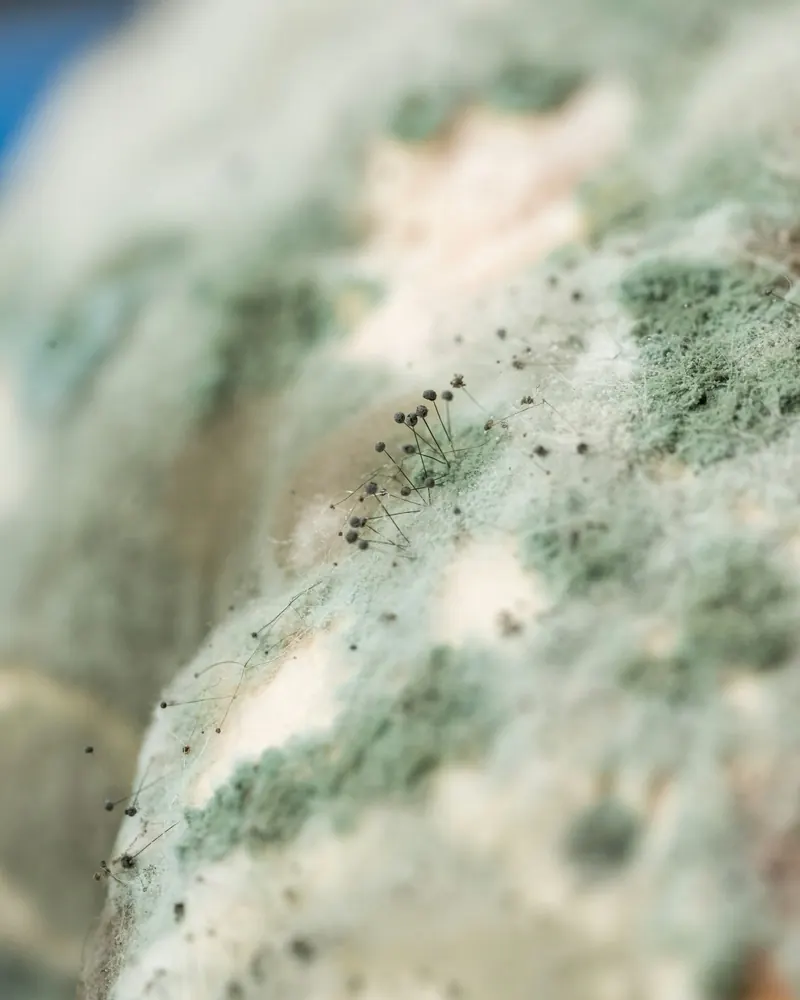
During subfloor mold removal, affected flooring and carpet are either cleaned or replaced after the underlying moisture source is addressed.
See floor and subfloor mold removal
During kitchen mold removal, workers clean wall surfaces and areas under sinks or behind cabinets, then track down the damp spot or leak.
See kitchen mold removal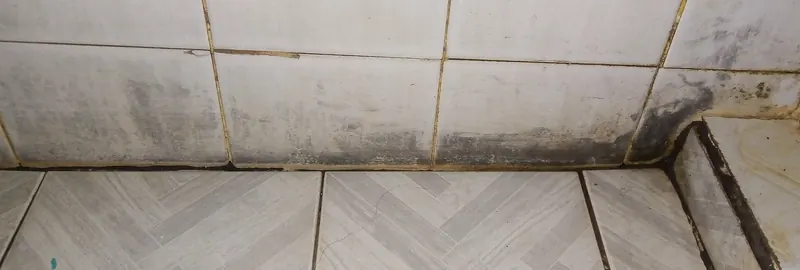
Bathroom mold removal clears growth from grout, walls, ceilings and spaces behind showers while checking for leaks or poor ventilation.
See bathroom mold removal
This service pairs a mold inspection with removal, so the crew finds where mold is growing and then cleans it out.
See mold inspection and removal
With mold damage restoration, mold is removed first, then affected drywall, floors, insulation and other materials are fixed or replaced.
See mold damage restorationA leak can support many colors of mold when materials stay damp. Dark color does not prove one patch is more dangerous. After fixing the water source, use material condition, moisture and the affected area to guide removal, not color alone.
Yes! A wall cavity may stay damp because of a pinhole leak in a supply line or drain line. Watch for peeling paint, odor, soft surfaces or stains that return. Use moisture mapping and a focused opening to inspect the cavity. Thermal imaging alone does not confirm mold.
EPA says an area under about 10 square feet can often be cleaned by the homeowner after fixing the water problem. Seek experienced help when growth is large or hidden, sewage or HVAC systems are involved, or porous materials and walls require removal.
Applying one product by itself is not a complete solution. Repair the leak, remove porous material that cannot be saved, clean surfaces and dry the structure. Cleanup may include antimicrobial treatment, but it cannot substitute for HEPA cleaning, material removal or moisture checks.
You might see fuzzy patches, staining or dots on cabinet backing, wooden surfaces or drywall. An ongoing damp area or musty smell can be the earliest clue when growth stays concealed. You cannot determine mold type by appearance or measure its risk by color.
Control the leak before removing standing water and drying affected items without delay. The EPA prevention window is 24 to 48 hours. Check drywall, cabinets, flooring and cavities. Aim for 30 to 50 percent indoor humidity, and do not let it exceed 60 percent.
You can get straightforward, reassuring guidance on mold after a plumbing leak or burst pipe by calling 24 hours a day.