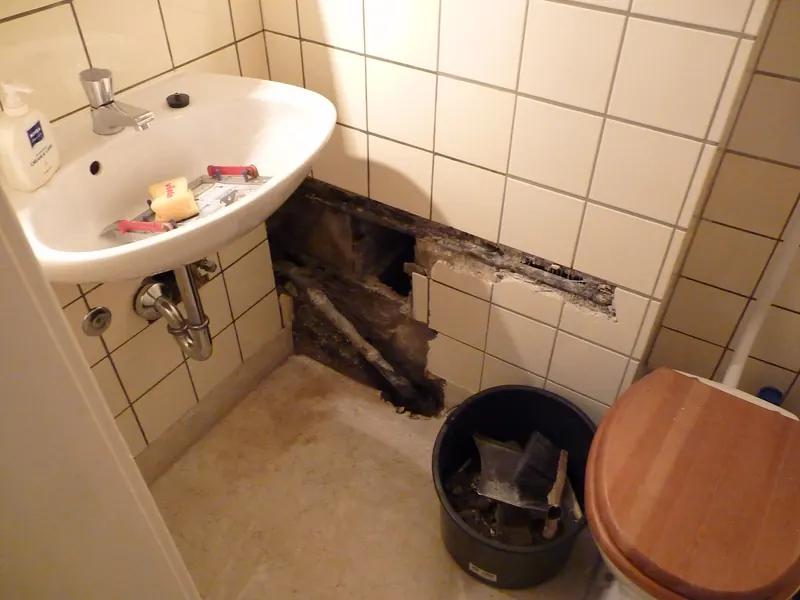
Mold After a Plumbing Leak or Burst Pipe
Cabinets, flooring and walls left damp by either a slow drip or burst pipe receive mold removal after a plumbing leak.
See mold after a plumbing leak or burst pipeGet a plan for mold under sink plumbing, behind cabinets or near an appliance in Chinatown. Cover the leak, containment, drying and repairs.
Kitchen mold work includes source tracing and area containment, then damaged material removal, cleaning and thorough drying.
Kitchen drywall, flooring and the bottom of a cabinet can become affected when sink plumbing, a dishwasher, a faucet or a refrigerator supply line leaks.
A written scope should identify affected materials, containment, tear out, cleaning, drying, leak repair and final moisture readings.
Your scope should address drying, removal boundaries, cleaning, HEPA filtration, repairs and newly discovered growth.
Confirm how the project will examine plumbing, appliances and surrounding materials for remaining moisture.
Choose an independent assessor for clearance testing, not the removal company.
Ask about protecting clean food areas while barriers and negative air are in use.
A visible surface mark differs from mold that has entered a wet wall void or particle board. These are common situations to check:
Surface buildup differs from growth in wet cabinet material. Recurring odor calls for a plumbing and moisture check.
Black mold under kitchen sink describes appearance and does not prove a danger. According to CDC guidance, color cannot indicate risk.
Peeling laminate and expanded particle board can indicate a damp cabinet base. Some porous material may require removal.
Kitchen drywall may become wet from a slow plumbing leak. Stains or peeling paint may appear away from the source.
Do not disturb the growth. Safely stop new water if possible.
Call (844) 352-3560For kitchen mold removal, the $1,200 to $10,000 cost range comes from Fixr. Factors include location, material replacement and leak repair. The stated range is no quote.
No site visit was used for these ranges, which are drawn from published national cost guides. Following an on-site assessment, the property price should be explained to you before any work begins.
Ask about cost: (844) 352-3560Your policy and the cause determine coverage. A sudden, covered water incident might qualify, while ongoing moisture is often excluded.
Insurers may treat a sudden appliance failure differently than gradual leaking or repeated condensation. Read your policy terms.
Under California's housing law, visible mold found by a health officer or code enforcement officer can make a rental substandard. Renters can contact their local health or code enforcement department to ask for an inspection. Keep dated photos and messages about the leak, growth and repair access.
Report promptly. Confirm the cause covered by your policy, record requirements, mold sublimits and how damaged cabinets should be moved.
California's Toxic Mold Protection Act includes a landlord written-disclosure section (Health and Safety Code 26147). By its own wording it applies only after the state adopts mold exposure standards, and the state health department has said it could not set them. Your records should include the scope, leak repair, photographs, moisture readings and independent clearance documentation.
Affected materials and the size of the area shape the exact process.
Check plumbing, appliance lines, cabinets, ceiling, walls and floor. Moisture readings set the affected boundaries.
Poly sheeting, negative air pressure and an air filtration device keep dust inside the work zone.
Before disposal, workers bag or wrap other porous materials plus wet drywall and particle board.
Non-porous surfaces and sound structural framing receive cleaning. Antimicrobial treatment does not replace cleaning.
A dehumidifier with air movers can help the area dry. Use moisture readings to direct repair after remediation.
Final cleaning includes a visual check. Use an independent assessor to conduct air sampling or clearance testing.

Call any hour. A kitchen mold removal specialist answers, talks through what you are seeing and explains the next steps.
The job is harder when contaminated water or HVAC equipment is involved, or when growth spreads into porous materials and concealed cavities.
EPA guidance calls for experienced help with contaminated water. Disposal methods and protective equipment should fit the contamination source.
Allergy and asthma symptoms can be triggered by mold. People with weak immune systems, asthma or lung disease face more risk.
Use a moisture meter to locate wet material. Thermal imaging helps target further checks without confirming mold.
Can you clean it yourself? Under EPA guidance, the homeowner can often clean an area under about 10 square feet. Larger mold areas need professional help, as do projects involving HVAC systems or contaminated water. Correct the moisture problem before cleanup.
Some washable hard surfaces can stay. Porous material with mold may need to be taken out.

A firm schedule comes after inspection. The time required changes based on water spread, removal needs, leak correction and drying.
Damp cabinet material may produce a musty smell, though smell alone cannot pinpoint concealed mold. Fragrance will not fix the moisture source.
Keep indoor humidity below 60 percent, ideally 30 to 50 percent under EPA guidance. Neither ventilation nor a dehumidifier can substitute for leak repair.

The full kitchen mold removal guide covers what is cleaned or removed, odor and air quality work, and the rules that apply in your state.
Read the full kitchen mold removal guideLocal housing, humidity and property access can shape moisture control, containment and mold cleanup planning.
For a home in the Chinatown neighborhood, a musty odor or stain should be traced through connected materials before the visible surface is cleaned.
Dry water-damaged areas and items within 24 to 48 hours to prevent mold growth, and remove porous material when it cannot be fully cleaned and dried.
Ask on the phone about mold cleanup for nearby ZIP codes and communities.
Cabinets, flooring and walls left damp by either a slow drip or burst pipe receive mold removal after a plumbing leak.
See mold after a plumbing leak or burst pipe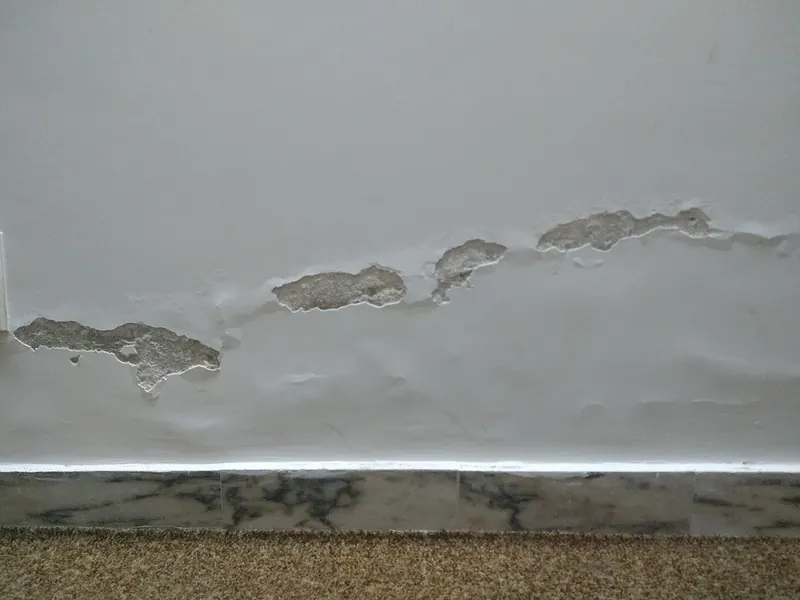
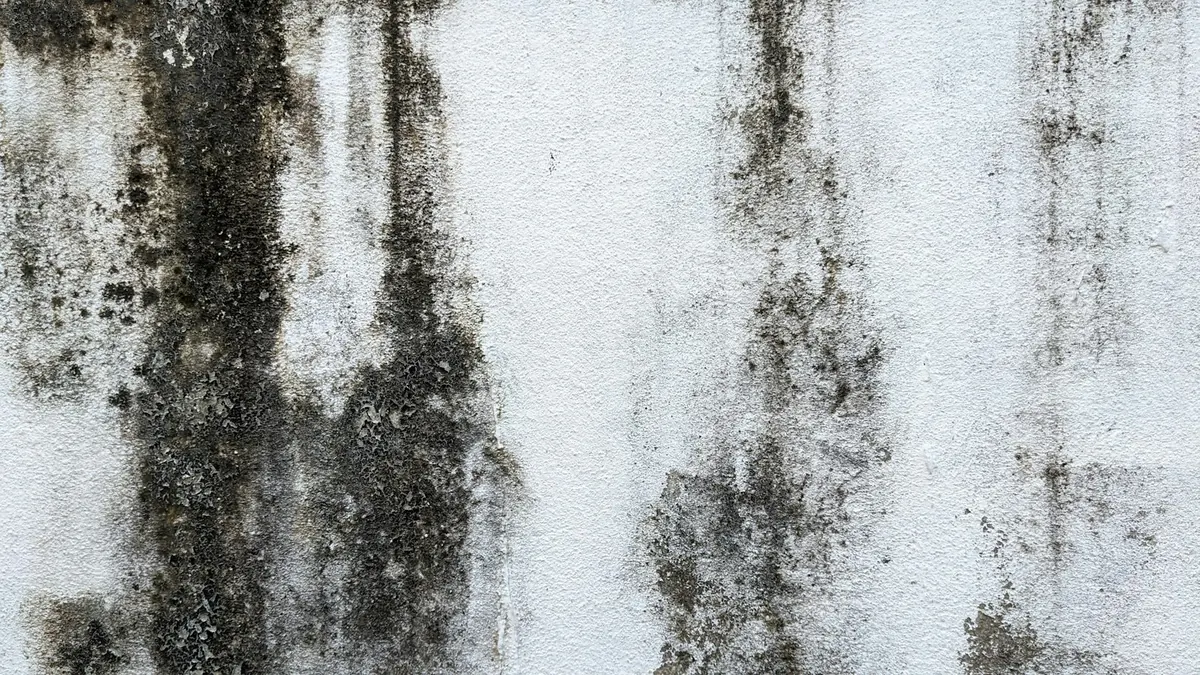
When you cannot see growth within walls, under flooring or beyond a ceiling, hidden mold remediation finds and removes it.
See hidden mold remediation (behind walls)
For drywall mold removal, damaged wallboard is replaced after the framing behind the surface has been cleaned.
See wall and drywall mold removal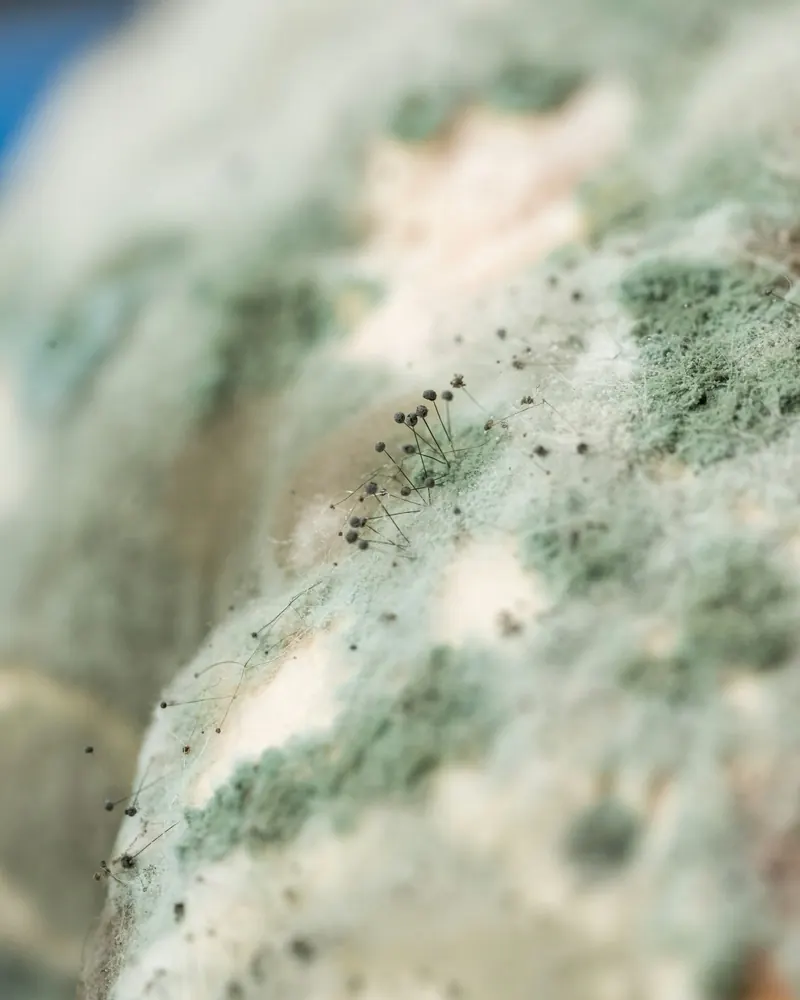
During subfloor mold removal, affected flooring and carpet are either cleaned or replaced after the underlying moisture source is addressed.
See floor and subfloor mold removal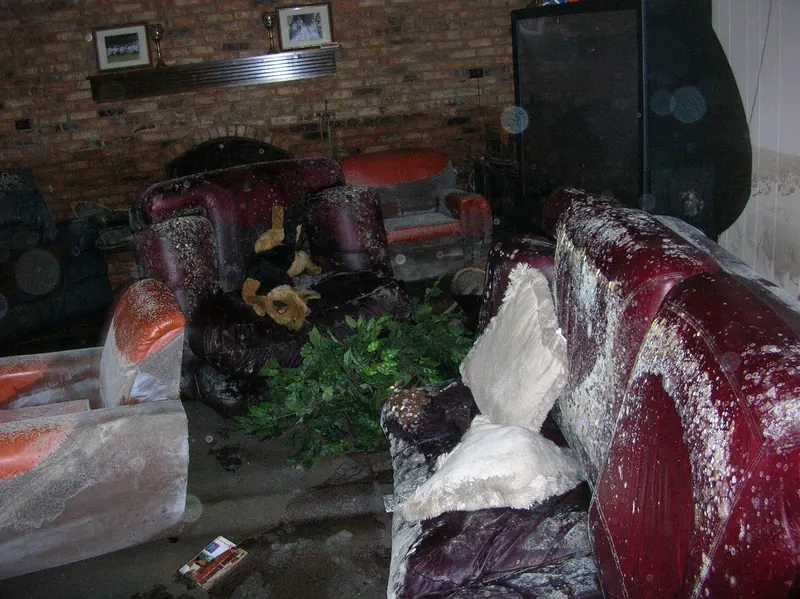
Water damage mold cleanup includes clearing growth caused by a flood or leak and drying the affected structure against a return.
See water damage mold cleanup
This service pairs a mold inspection with removal, so the crew finds where mold is growing and then cleans it out.
See mold inspection and removal
With mold damage restoration, mold is removed first, then affected drywall, floors, insulation and other materials are fixed or replaced.
See mold damage restoration
After removal, mold clearance testing combines air sampling with visual examination to confirm cleanliness in the affected area.
See mold clearance testingLook for growth, stains, swollen particle board, peeling finishes, damp items and musty odor. Without scraping surfaces, examine your water-supply and drain connections. Damp materials can be mapped with a moisture meter. An inspection can use thermal imaging for direction, but images alone cannot verify mold.
Mold needs moisture. Moisture may come from condensation, high humidity, a plumbing leak, a dishwasher leak, a refrigerator water line or loose faucet connection. Before growth becomes visible, water may move beneath the flooring or cabinet base. The first step is locating and fixing the source.
According to Fixr, the range is $1,200 to $10,000. Cost factors include growth near sinks or behind cabinets and appliances, material replacement for floors, drywall or cabinetry, and leak source repair. Affected square footage and accessibility help determine the actual scope of your project.
Insurance coverage varies with policy terms and the water source. Coverage may apply after a covered sudden event, but policies commonly exclude neglected upkeep, ongoing leaking and repeated humidity. Before removal, document the damage, confirm policy requirements and ask whether a mold sublimit applies.
When growth covers more than about 10 square feet, or contaminated water, extensive water damage or affected HVAC equipment is present, EPA guidance recommends professional help. When containment is more than a small cleanup, seek help for growth beneath floors or inside wall cavities.
Material type and extent determine the answer. Cleaning and drying may be possible for metal, tile and additional non-porous surfaces. Growth can enter particle board, drywall and other porous materials. For affected sections, leak repair and drying may follow controlled removal.
You can get straightforward, reassuring guidance on kitchen mold removal by calling 24 hours a day.