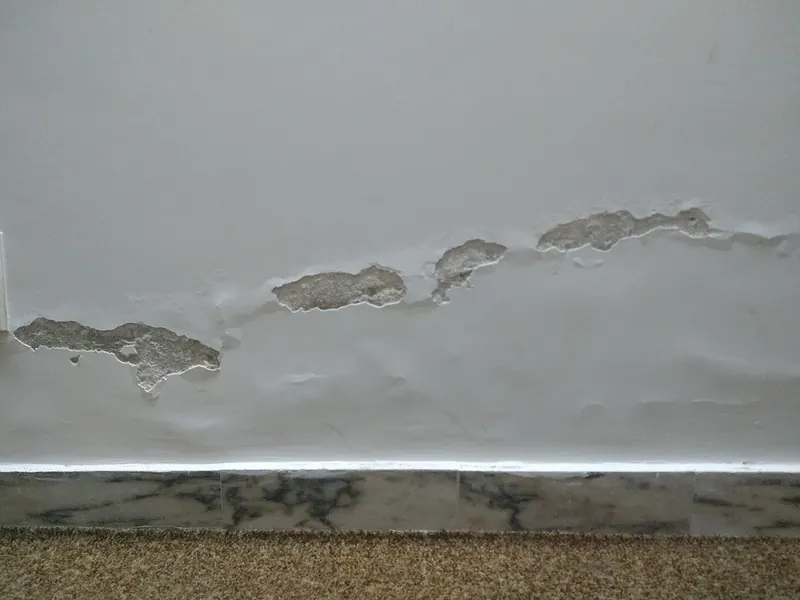
Hidden Mold Remediation (Behind Walls)
When you cannot see growth within walls, under flooring or beyond a ceiling, hidden mold remediation finds and removes it.
See hidden mold remediation (behind walls)Get a clear plan for mold on joists, studs, rafters or beams in Chinatown, including cleaning, drying and moisture correction.
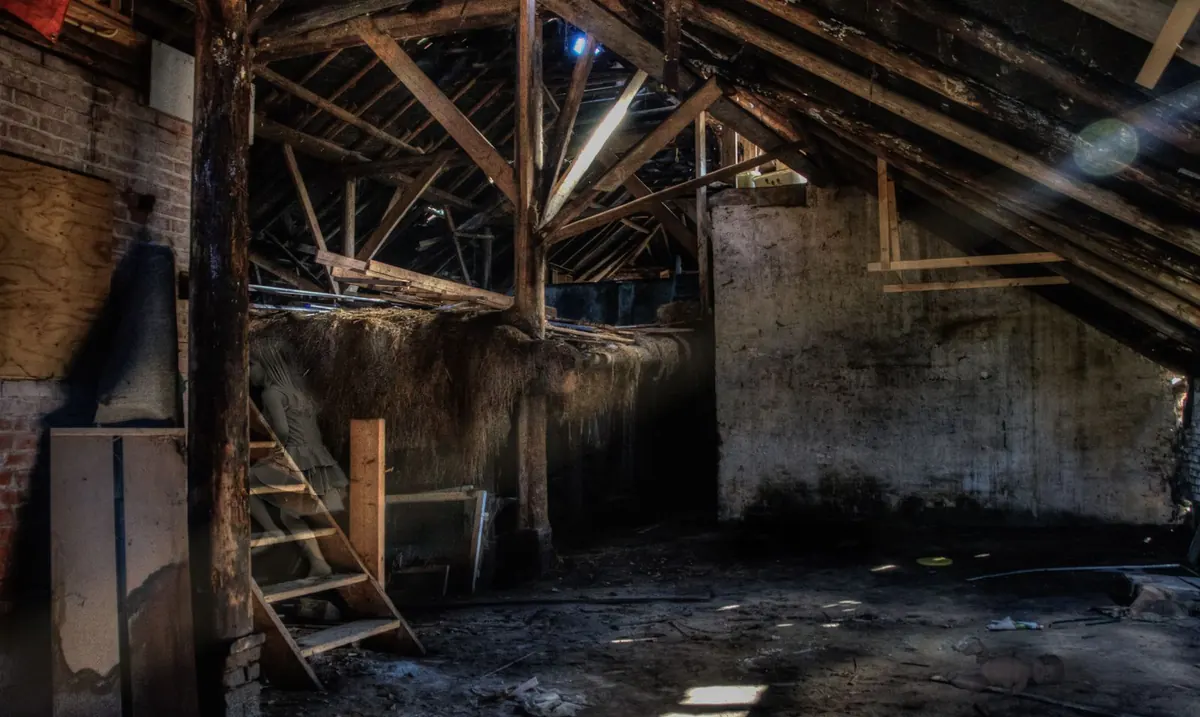
Once the moisture source is identified, wood framing mold removal involves cleaning and drying structural lumber.
Joists, studs, rafters, trusses and beams may all be included in the work. Appearance is all that black, white and other colors describe. CDC says color does not show risk.
The scope of work should be written and cover containment, material identification, leak repair, cleaning, tear out and drying. It should state the moisture reading targets used to close the work.

Ask why HEPA vacuuming, sanding, blasting or brushing is appropriate for the surface.
Confirm the planned locations for barriers and how the airflow is controlled.
Have an independent assessor verify that the area is clean and dry.
Confirm who addresses the source and which moisture readings must be reached for closure.
Consider professional help for extensive, hidden or hard-to-reach growth and contaminated water.
A wet cavity can affect studs before growth appears. Use moisture mapping to establish the area.
Leaks or condensation may dampen the joists over another lower level, a crawl space or a basement.
Roof framing can become wet because of leaks, condensation or poor ventilation. Address the cause, then take out wet insulation.
Hidden growth may be indicated by odor, stains, cupping or a subfloor that feels damp. Inspection directs access.
Safely stop the water, keep growth undisturbed and shield rooms that are clean.
Call (844) 352-3560Framing has no separate guide price. Fixr puts general remediation from $1,500 up to $9,000 for the work. When an area exceeds about 10 square feet, each square foot is listed at $10 through $30 by Fixr. This is not a quote for framing.
Published national cost guides are the source of these ranges, rather than an inspection of your property. Following an on-site assessment, the property price should be explained to you before any work begins.
Ask about cost: (844) 352-3560Your insurance may cover mold tied to a sudden water event that the policy covers. Long-term moisture is often excluded, while a sublimit for mold may apply.
California's Toxic Mold Protection Act includes a landlord written-disclosure section (Health and Safety Code 26147). By its own wording it applies only after the state adopts mold exposure standards, and the state health department has said it could not set them. Save the readings, scope, repair documentation and independent clearance report.
Slow seepage or continuing humidity may be treated differently from a burst pipe.
Under California's housing law, visible mold found by a health officer or code enforcement officer can make a rental substandard. Renters can contact their local health or code enforcement department to ask for an inspection. Retain your photos and communications about repairs. Who is responsible for payment depends on the lease, policy and cause.
Report promptly. Find out about required documentation, coverage and any mold sublimits.
A final check follows inspection, containment, cleaning and drying.
Map growth and water stains. Check wood moisture. A thermal imaging camera does not confirm mold.
Poly sheeting and an air filtration device create containment and negative air pressure.
If drying and cleaning are not possible, remove the affected drywall or insulation. Sound structural wood may stay.
HEPA vacuum first. Follow-up methods may include sanding, damp cleaning, brushing, soda blasting or dry ice blasting. Antimicrobial treatment still requires cleaning.
As needed, use air movers or dehumidifiers. Moisture readings inform repairs and sealant or encapsulant use.
Inspect for both dryness and cleanliness. Choose an assessor who is independent to conduct clearance testing.

Call at any time. Your call reaches a wood framing mold removal (joists, studs, rafters) specialist who hears your concerns and explains the process ahead.
For black mold removal on wood, difficulty increases when growth is extensive, out of view, overhead or contaminated.
Mold can trigger allergy or asthma symptoms in some people. Certain people have greater risk.
Soft, crumbling or damaged wood needs a repair or replacement decision.
Cleaning just one side can leave wet insulation unaddressed. Use selective openings and a moisture meter to establish the limits.
Can you clean it yourself? Areas under about 10 square feet are often suitable for homeowner or renter cleaning, EPA says. When sewage, broad water damage, an HVAC system or a larger area is involved, experienced help is needed. Fix the moisture first.
Clean and dry the wood, and keep it if it is sound. Replacement may be necessary for weak material.
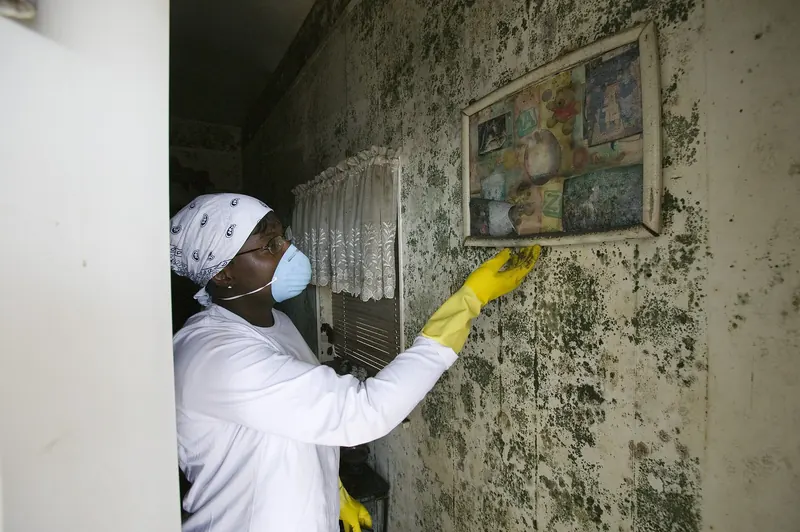
California has no state license or certification for mold assessors or remediators, according to the California Department of Public Health. General construction work above a small dollar amount does need a license from the Contractors State License Board (CSLB), so it is worth checking a contractor's license there and asking about their mold training. Check permit requirements for rebuilding or structural work.
EPA says to fix water and dry water-damaged areas and items within 24 to 48 hours to prevent mold growth.
No federal limit applies to indoor mold. Consider materials, moisture and visible conditions.
The California Department of Public Health (CDPH) Air Quality Section publishes mold and dampness guidance and a mold FAQ. CDPH says visible mold, dampness, and mold odor are unhealthy and should be fixed, and that routine mold testing is not needed when mold is visible. Ask about the applicable permits and property requirements.
The timing varies with moisture correction, access, drying and cleaning. An inspection is needed before setting the schedule.
The full wood framing mold removal (joists, studs, rafters) guide covers what is cleaned or removed, odor and air quality work, and the rules that apply in California and Los Angeles County.
Read the full wood framing mold removal (joists, studs, rafters) guideLocal housing, humidity and property access can shape moisture control, containment and mold cleanup planning.
For a home in the Chinatown neighborhood, a musty odor or stain should be traced through connected materials before the visible surface is cleaned.
Dry water-damaged areas and items within 24 to 48 hours to prevent mold growth, and remove porous material when it cannot be fully cleaned and dried.
During your call, ask whether mold cleanup is available in surrounding communities and ZIP codes.
When you cannot see growth within walls, under flooring or beyond a ceiling, hidden mold remediation finds and removes it.
See hidden mold remediation (behind walls)
Attic mold removal cleans mold from roof sheathing, rafters and insulation, and points out the leak or airflow problem behind it.
See attic mold removal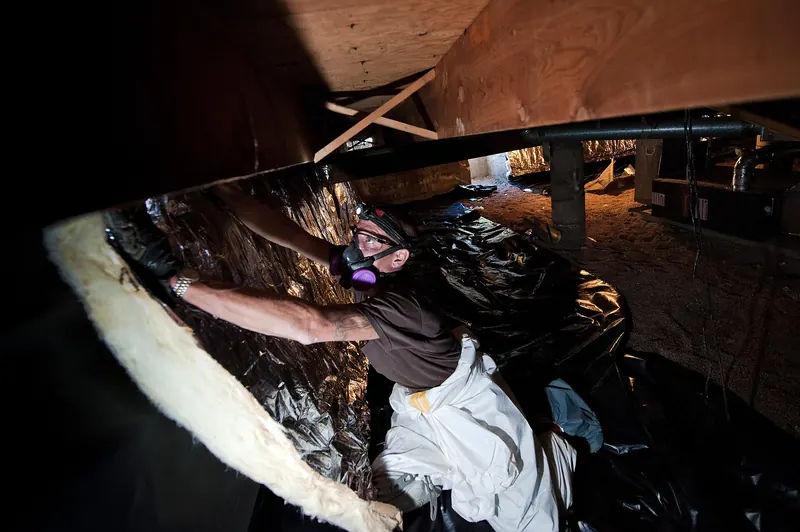
Crawl space mold removal cleans mold from joists, subfloor and insulation under the home and deals with the moisture feeding it.
See crawl space mold removal
For drywall mold removal, damaged wallboard is replaced after the framing behind the surface has been cleaned.
See wall and drywall mold removal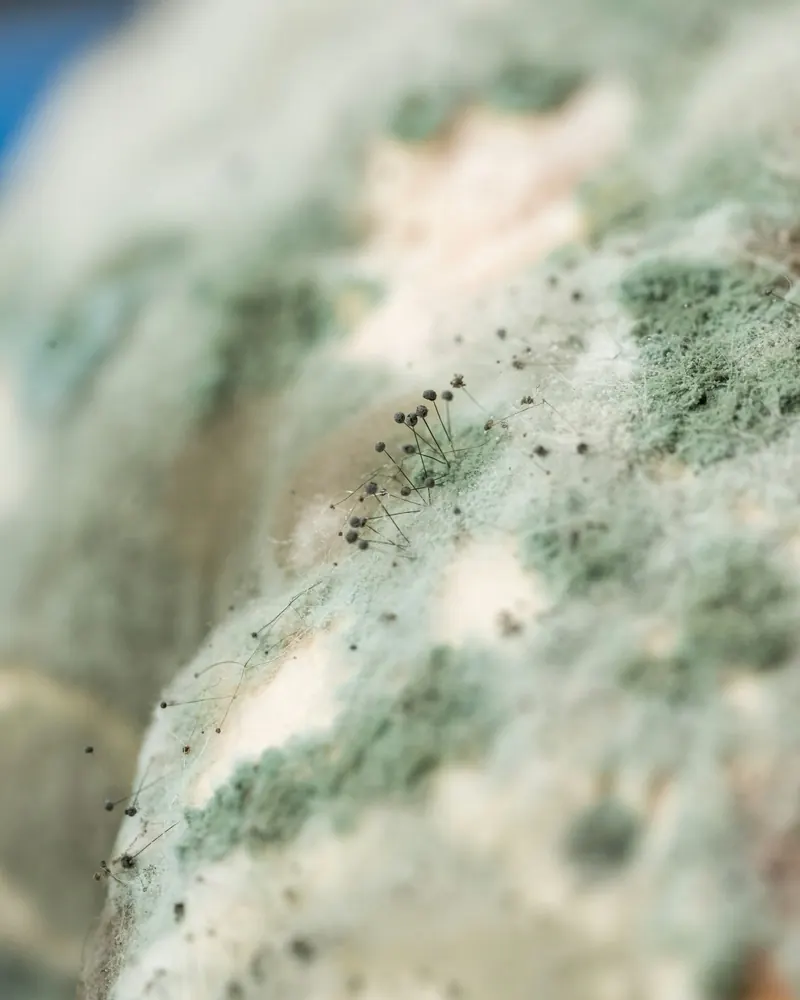
During subfloor mold removal, affected flooring and carpet are either cleaned or replaced after the underlying moisture source is addressed.
See floor and subfloor mold removal
Insulation mold removal takes out wet or moldy insulation in attics, walls and crawl spaces so it can be replaced after cleaning.
See insulation mold removal
Dry ice and soda blasting remove mold from wood framing and other surfaces without sanding or harsh scrubbing.
See dry ice and soda blasting mold removal
After removal, mold clearance testing combines air sampling with visual examination to confirm cleanliness in the affected area.
See mold clearance testingMold requires moisture. Leaks, wet insulation, poor drainage, damp soil under the floor and condensation are common moisture sources. Cleaning alone leaves growth conditions unchanged unless the underlying source is corrected. The solution might call for drainage work, humidity control, plumbing or improved ventilation.
Published guides price general remediation rather than framing alone. Square footage, accessibility and containment affect your cost, along with drying, structural repairs and removing materials. Separate plumbing, rebuilding and roofing from mold cleanup in the scope before making price comparisons.
No. Black color alone neither indicates risk nor means that sound framing must be replaced. Cleaning and drying are often possible when the wood is solid. For rotted, soft, crumbling or structurally damaged sections, the condition determines the repair decision.
Begin by correcting the source and setting up containment. Sound wood is cleaned with a surface-appropriate method after HEPA vacuuming. Some framing might require brushing, blasting or sanding under controlled conditions. The wood is dried and checked before insulation, drywall or finishes return.
The owner, landlord, tenant or insurer may pay, depending on the moisture source, lease and policy. Coverage might apply to a covered sudden water event, while ongoing leaks and humidity commonly fall outside it. Promptly report what you found and retain your records.
You may see fuzzy patches, spots, streaks or uneven discoloration. Black, yellow, white and green growth are possible, but you cannot determine risk from color. The appearance may instead come from dirt or old water stains. Assess dampness, odor and the moisture source, then arrange an assessment if growth is extensive or uncertain.
For calm and useful guidance about wood framing mold removal (joists, studs, rafters), you can reach someone by phone 24 hours a day.