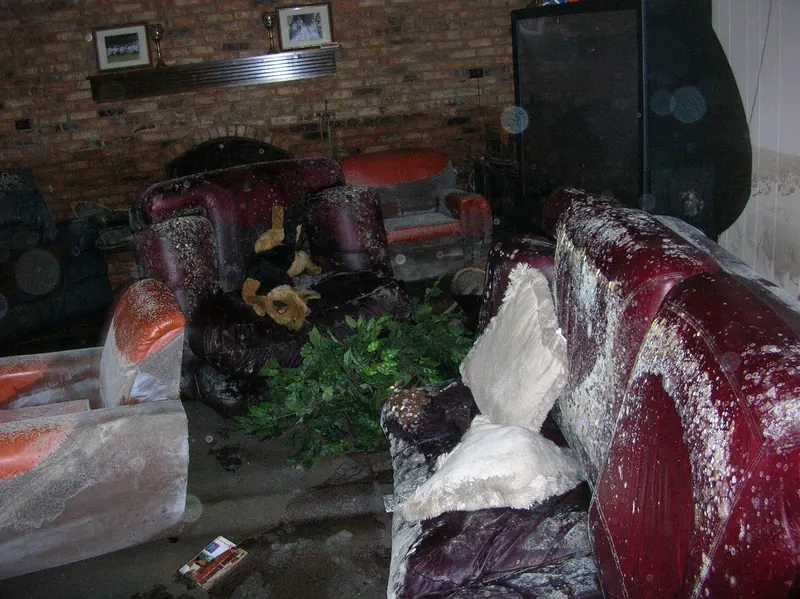
Water Damage Mold Cleanup
Water damage mold cleanup includes clearing growth caused by a flood or leak and drying the affected structure against a return.
See water damage mold cleanupFor mold after a sewage backup in Chinatown, ask about containment, removal, drying and source correction.
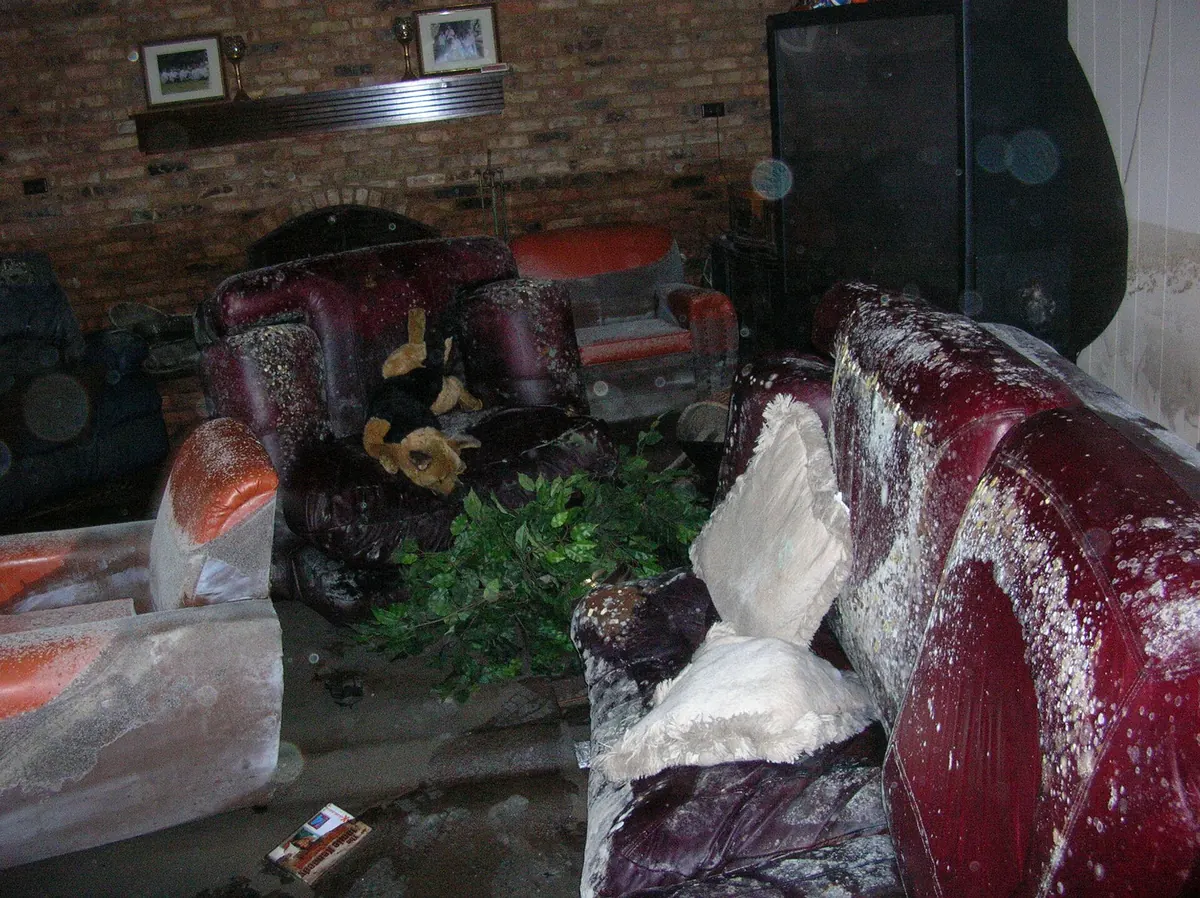
Sewage mold remediation takes out growth and contaminated material, then leaves the space cleaned and dried.
Look for a scope that covers repairs and drying as well as the source, affected space, containment and disinfection.
Porous materials with contamination may be discarded. A non-porous surface can stay if cleanable.
Arrange an independent assessment once drying, final cleaning and correction of the source are complete.
Look for a plan explaining negative air pressure, isolation barriers and how debris leaves the area.
Find out who will fix the backup and verify dry conditions before reconstruction.
Verify the removal boundaries, drying work and who takes care of reconstruction.
For damage involving sewage or contaminated water, EPA guidance says to seek experienced help.
A blocked line can force sewage through a floor drain or low fixture.
Bathrooms, utility areas, basements, a crawl space and other lower levels can become soaked during a backup.
Look for a musty odor, discolored areas or softened baseboards as possible signs of concealed moisture.
Cabinet interiors, lower walls and layers beneath flooring may hold sewage beyond the reach of surface wiping.
Keep away from contaminated spaces. Do not approach standing water or possible electrical dangers.
Call (844) 352-3560Servpro's average for contaminated water cleanup is $7.50 per square foot. It places cleanup and restoration for a sewer backup between $2,000 and $10,000. On the Servpro page, Angi's table widens the span from $450 to $16,000. Black water extraction for each square foot costs $7 to $7.50 as shown by Fixr.
No site visit was used for these ranges, which are drawn from published national cost guides. An on-site assessment determines the price for your property, and you should receive an explanation before the work begins.
Ask about cost: (844) 352-3560The cause and your specific policy affect whether coverage applies. Ask about backup coverage, mold limits and records.
Under California's housing law, visible mold found by a health officer or code enforcement officer can make a rental substandard. Renters can contact their local health or code enforcement department to ask for an inspection. Save repair messages along with photos showing their dates.
Under your policy, a sudden incident may be treated differently than ongoing leaks or maintenance problems.
California's Toxic Mold Protection Act includes a landlord written-disclosure section (Health and Safety Code 26147). By its own wording it applies only after the state adopts mold exposure standards, and the state health department has said it could not set them. Keep the scope, moisture readings and repair documents.
Report promptly. Check which endorsements and documents matter.
For Category 3 water, cleanup begins after source repair and ends with structural drying.
Use moisture readings to trace water. A thermal imaging camera guides checks but cannot identify mold.
Dust is limited with poly sheeting and negative air pressure.
Wet drywall, carpet and insulation may need removal.
Hard surfaces need cleaning, directed disinfection and HEPA vacuum treatment for settled debris.
Use a dehumidifier with air movers to promote drying between measurements.
Post-remediation verification measures remaining dampness. Arrange independent clearance testing.

Phone at any hour. A sewage mold remediation specialist takes your call, discusses what you see and outlines what comes next.
Even a small-looking patch calls for experienced help when contaminated water is involved.
Use a HEPA air scrubber plus a containment barrier to control particles.
Cleaning methods, protective equipment and disposal choices depend on the source.
Water concealed within walls or beneath floors can be found through moisture mapping.
Can you clean it yourself? Areas under about 10 square feet are often suitable for homeowner cleaning, EPA says. Experienced help remains appropriate when sewage or contaminated water is involved.
Source repair, material removal, drying and reconstruction determine the timing. If hidden moisture is found, the scope may change.
Damp materials can produce a musty odor. Source repair and material removal cannot be replaced by a deodorizer.
EPA guidance says relative humidity should remain under 60 percent, with 30 to 50 percent as the ideal range. A leak still needs repair when dehumidification is used.

California has no state license or certification for mold assessors or remediators, according to the California Department of Public Health. General construction work above a small dollar amount does need a license from the Contractors State License Board (CSLB), so it is worth checking a contractor's license there and asking about their mold training. Ask which permits apply to demolition, plumbing or rebuilding.
EPA recommends experienced sewage help and says to dry water-damaged items and areas within 24 to 48 hours to prevent mold growth.
Indoor levels of mold do not have a federal limit. Request the recognized guideline behind the scope.
The California Department of Public Health (CDPH) Air Quality Section publishes mold and dampness guidance and a mold FAQ. CDPH says visible mold, dampness, and mold odor are unhealthy and should be fixed, and that routine mold testing is not needed when mold is visible. Find out what applies to disposing of sewage, fixing plumbing and repairing the structure.
The full sewage mold remediation guide covers what is cleaned or removed, odor and air quality work, and the rules that apply in California.
Read the full sewage mold remediation guide
Planning for moisture control, containment and mold cleanup can be influenced by local humidity, housing and property access.
For a home in the Chinatown neighborhood, a musty odor or stain should be traced through connected materials before the visible surface is cleaned.
Dry water-damaged areas and items within 24 to 48 hours to prevent mold growth, and remove porous material when it cannot be fully cleaned and dried.
You can ask about mold cleanup in nearby communities and ZIP codes during the call.
Water damage mold cleanup includes clearing growth caused by a flood or leak and drying the affected structure against a return.
See water damage mold cleanup
When storm damage, heavy rain or flooding leads to mold, cleanup covers affected surfaces and materials, including wet drywall and floors.
See flood and storm mold cleanup
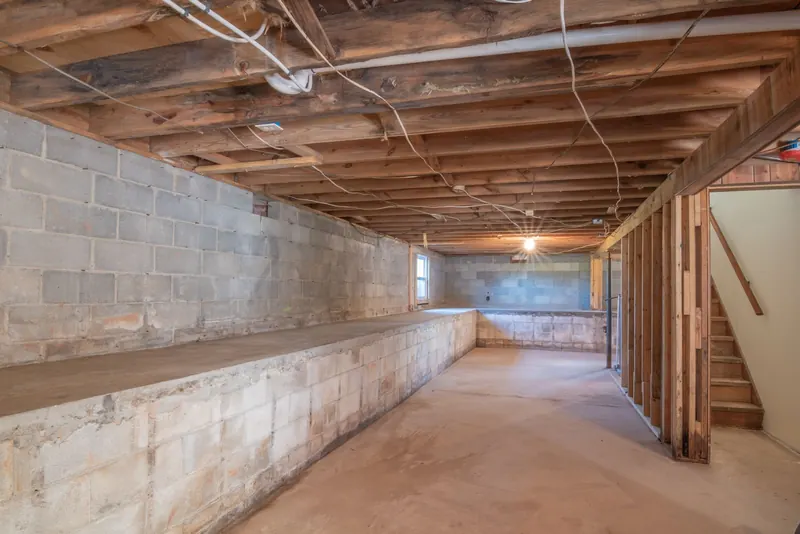
During basement mold removal, growth is cleaned from stored items, framing, walls and flooring and the moisture behind it is addressed.
See basement mold removal
For drywall mold removal, damaged wallboard is replaced after the framing behind the surface has been cleaned.
See wall and drywall mold removal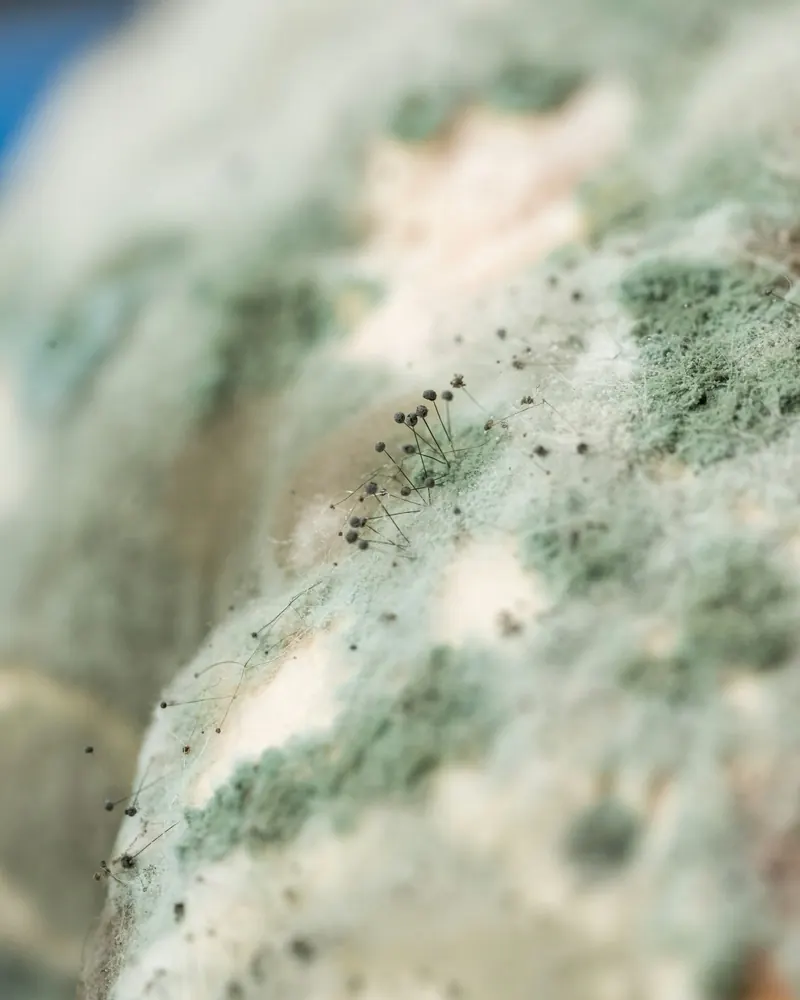
During subfloor mold removal, affected flooring and carpet are either cleaned or replaced after the underlying moisture source is addressed.
See floor and subfloor mold removal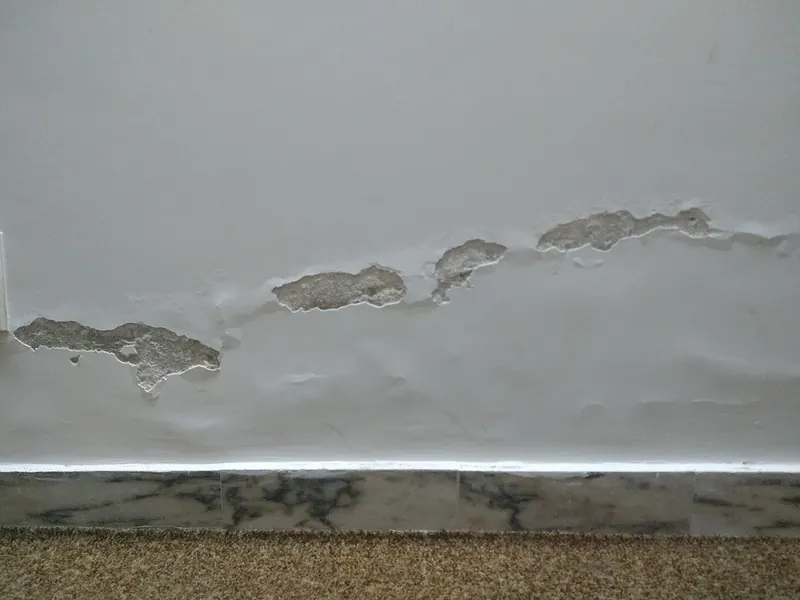
When you cannot see growth within walls, under flooring or beyond a ceiling, hidden mold remediation finds and removes it.
See hidden mold remediation (behind walls)
With mold damage restoration, mold is removed first, then affected drywall, floors, insulation and other materials are fixed or replaced.
See mold damage restoration
After removal, mold clearance testing combines air sampling with visual examination to confirm cleanliness in the affected area.
See mold clearance testingThe decision varies with the isolation setup, HVAC involvement and which necessary spaces can still be used. Make sure the work zone stays off limits to people and animals. Check which spaces and walkways you must avoid. People with weak immune systems, asthma or lung disease are more at risk around mold under CDC guidance.
Whether coverage applies depends on the source, your policy language and attached endorsements. Find out if water-backup coverage applies, what mold sublimit is set and which documents your adjuster requires. Policies may distinguish sudden damage from ongoing leaks, recurring seepage, deferred maintenance and backup causes that are excluded.
With the source stopped, mapping defines the space, barriers isolate it, contaminated porous materials are discarded, cleaning and disinfection treat what remains, and the building materials are dried. Particles can be limited with HEPA filtration. Do not start repairs before moisture readings verify that the materials have dried.
Potentially. Growth can return when the sewer or drain problem remains, hidden material stays wet or indoor humidity stays high. Finish drying and source correction before reconstruction. Under EPA guidance, indoor relative humidity should remain below 60 percent, with an ideal range from 30 to 50 percent.
Get experienced help when contaminated water or sewage is followed by mold growth. For contaminated water damage, EPA guidance specifically recommends a person with relevant experience. Sewage exposure is not an appropriate do-it-yourself cleanup even when a patch falls under the usual guidance of about 10 square feet.
Without moving materials, begin by noting visible conditions, smells and moisture readings. Damp flooring and wall sections can be traced with a moisture meter. Use thermal imaging to target further checks, not to determine if mold is present. An independent assessor can use air sampling as supporting evidence rather than a substitute for inspection.
You can get straightforward, reassuring guidance on sewage mold remediation by calling 24 hours a day.